Why Australian and New Zealand Construction Teams Can't Afford to Stay on Spreadsheets
Digital Transformation
Project Management
Why Australian and New Zealand Construction Teams Can't Afford to Stay on Spreadsheets
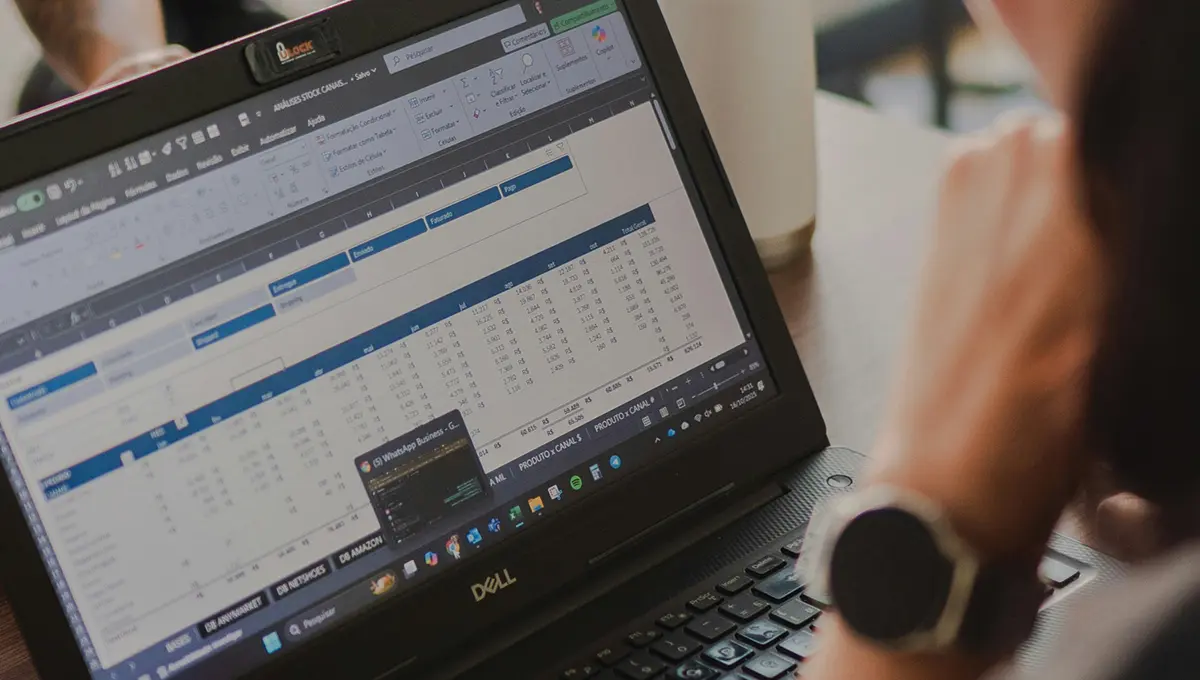
There's a version of this conversation that goes: "We've always used Excel, it works fine." And honestly, for a long time, that was defensible. But the data coming out of the Australian and New Zealand construction and manufacturing sectors tells a different story now, and it's getting harder to ignore.
Australian construction projects overrun their budgets by 18% on average. Not occasionally, on average. That's not a project management problem or a site-level problem. That's a structural problem, and a big part of it comes down to how teams are tracking, sharing, and acting on project data.
The spreadsheet is not neutral
Here's something worth sitting with: 85% of construction firms still use Excel to track finances and build estimates. That stat comes from a 2020 LetsBuild survey, and the number hasn't shifted meaningfully since. The industry knows spreadsheets cause problems. It keeps using them anyway.
The issue isn't that Excel is bad software. It's that Excel was never designed for live project management across multiple sites, teams, and subcontractors. It's a static tool being asked to do a dynamic job. When you're running a build with 15 contractors pulling from the same estimate document, version control stops being a minor inconvenience and starts costing real money.
Thirty per cent of all construction work is rework. The leading cause? Document errors and miscommunication, exactly the conditions that spreadsheet-based project management creates.
What the numbers actually mean on the ground
A research study from Curtin University found that design error costs alone average 6.9% of contract value in Australian construction projects. That's not total rework. That's just design errors. Add in the broader cost of bad data, fragmented records, outdated estimates, conflicting versions of the same document — and you start to understand why Autodesk and FMI calculated that poor data management cost the global construction sector over $1.8 trillion in 2020.
Australia is not a bystander in that figure.
For New Zealand, the construction sector contributes 6.3% of GDP and employs over 308,000 people. That's a sector with enormous economic weight and, right now, enormous exposure to the same data management problems. McKinsey's research consistently shows that large construction projects take around 20% longer to finish than scheduled. In a sector running on tight margins and tight timelines, that kind of slip doesn't just affect one project — it cascades.
Manufacturing isn't off the hook either. Automation projects in the sector overrun by 23% on average. Nearly half of manufacturing project managers say cost control is their single biggest challenge. When your primary cost-tracking tool is a spreadsheet that doesn't update in real time, doesn't alert you when spend is drifting, and breaks the moment two people edit it simultaneously — that challenge is never going to get easier.
The 14 hours nobody talks about
There's a PMI stat that deserves more attention than it gets. Construction workers lose over 14 hours per week to non-productive activities: looking for project information, managing rework, resolving conflicts that stem from data inconsistencies. That's roughly 35% of a working week, gone.
McKinsey estimates that closing that productivity gap could save nearly $1.7 trillion annually across the sector globally. You don't need to capture all of that. You need to capture enough of it to stay competitive — and right now, 48% of Australian businesses frequently report variations in how they track project benefits. Which means nearly half of Australian project teams don't have a clear, consistent view of whether their projects are actually delivering what they promised.
That's not a small operational issue. That's a boardroom problem.
The case for changing now
When you move from spreadsheets to a dedicated project management platform, the performance difference isn't theoretical. Projects managed with proper PM software meet their original objectives at a 73.8% rate. Compare that to the broader construction baseline, where only 31% of projects are delivered within 10% of their original budget.
McKinsey also found that construction firms adopting digital tools can improve productivity by up to 15% and reduce project costs by up to 6%. On a $10 million project, 6% is $600,000. On a portfolio of projects, it's the difference between a good year and a difficult one.
The $1.6 trillion opportunity McKinsey has identified — the value that could be unlocked if construction productivity caught up with the broader economy — doesn't come from working harder. It comes from working with better information. Faster. With fewer errors feeding into the next decision.
Spreadsheets won't get you there. KANNA will.
Sources
LetsBuild — Why It's Time for Construction to Quit Excel (2020)
Autodesk & FMI — Construction's Digital Transformation (2020)
McKinsey Global Institute — Reinventing Construction Through a Productivity Revolution
McKinsey — Improving Construction Productivity Is the New Imperative (2024)
ASCE Journal / Curtin University — Design Error Costs in Construction Projects
Stats NZ / MBIE — Building and Construction Sector Trends Annual Report 2023
Read more